KFF Representatives Take Part in UEFA Refereeing Workshop
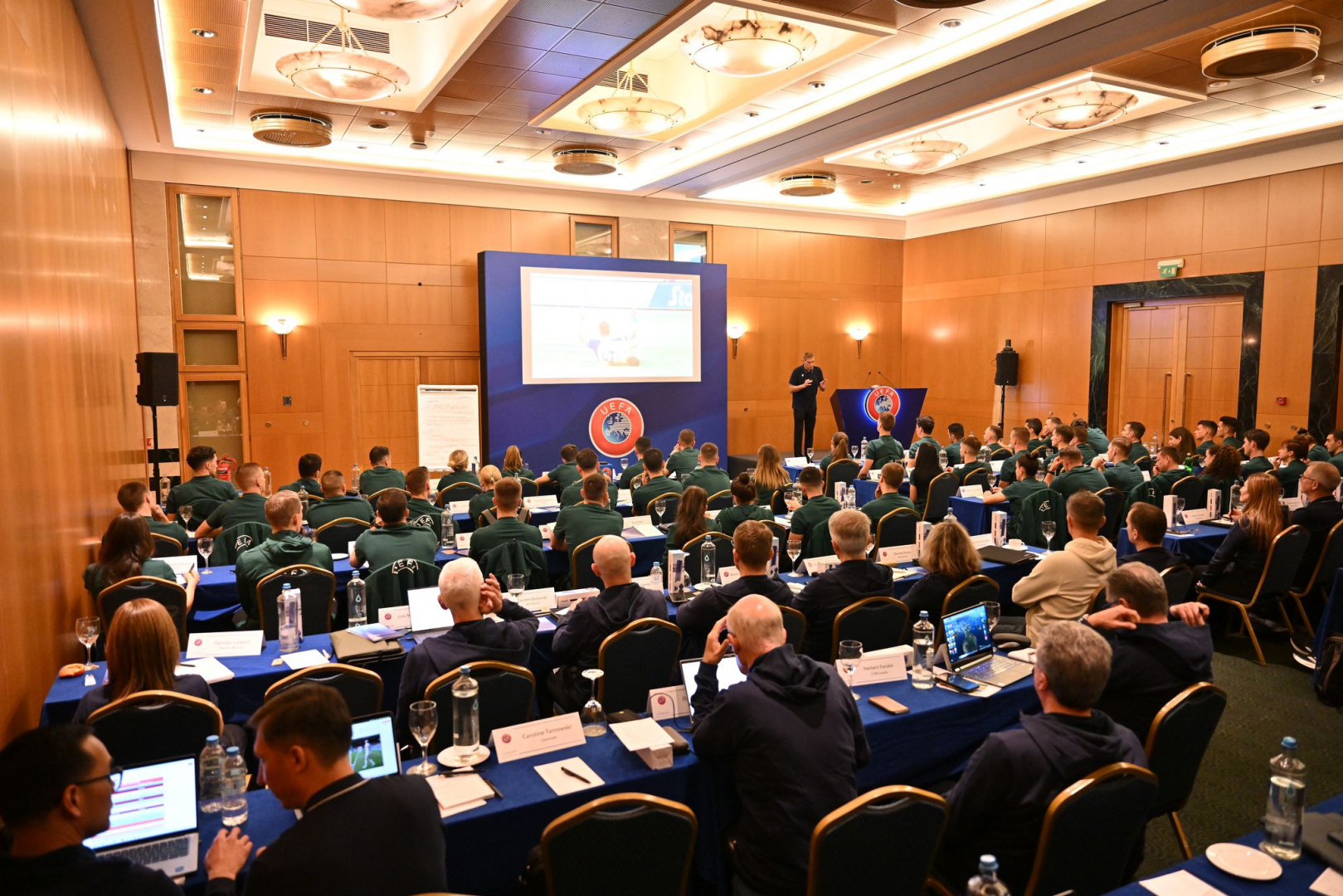
The central themes of the event focused on attracting young referees, creating conditions for their long-term development, and reducing the rate of attrition. Particular attention was given to the development of modern refereeing databases that will enable national associations to systematically monitor referee progress and design effective educational programmes. These issues were identified as some of the most relevant for the majority of European federations.
Participants explored best practices from other countries, discussed methodological approaches, and exchanged views on the future of refereeing. A panel discussion featuring representatives from ice hockey and handball was of particular interest, as experts highlighted similar challenges in their sports and the strategies used to address them. This comparative perspective broadened understanding of the mechanisms that can support and develop young referees.
One of the key conclusions of the meeting was the recognition of the need to involve all stakeholders — players, coaches, clubs, fans, and the media — in fostering a respectful environment around football. It was noted that negative attitudes towards referees, especially young officials, remain one of the main factors discouraging interest in the profession. Participants stressed the importance of eliminating referee abuse, both in stadiums and on social media.
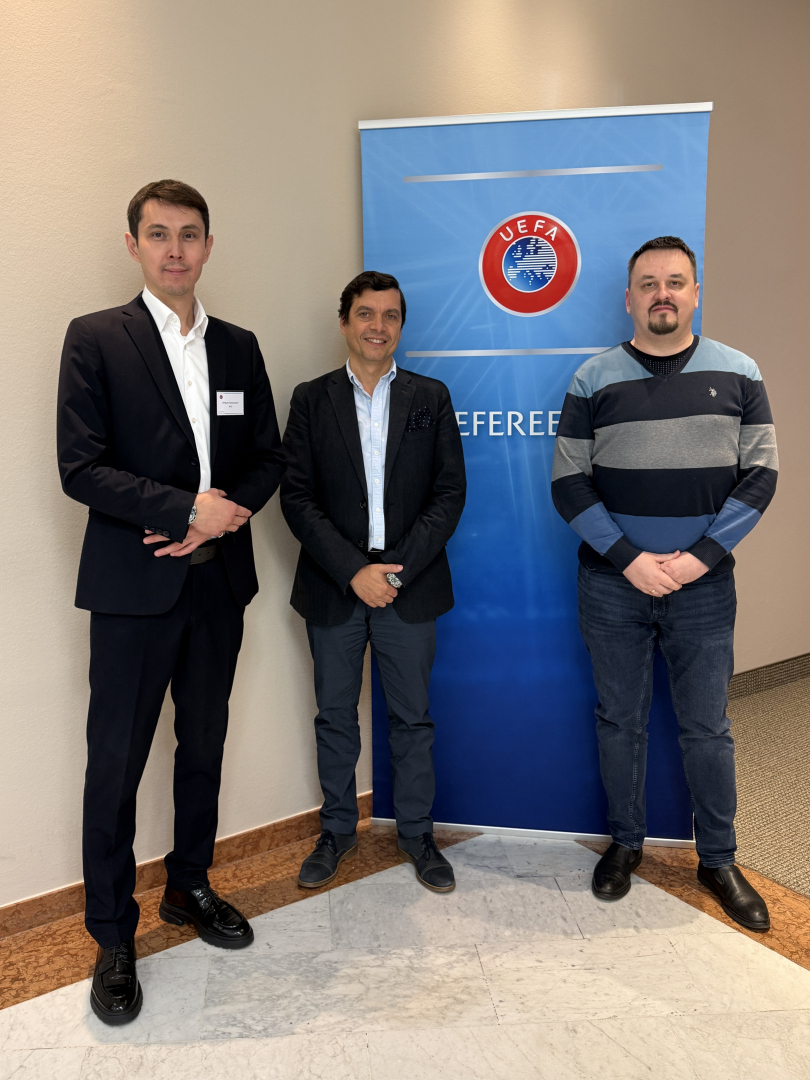
The Kazakhstan Football Federation was represented at the workshop by Nuno Castro and Leonid Kaloshin, members of the UEFA Referee Convention panel and Arman Ismuratov.
Participation in the workshop provided valuable practical experience, insights into models used both in major European countries and in nations with limited resources, and helped shape a number of ideas that may support the further development of refereeing in Kazakhstan.